

SACRAMENTO, Calif. (CN) - Racial justice protesters failed Tuesday in their effort to have a federal judge impose oversight of future police action during Sacramento protests.
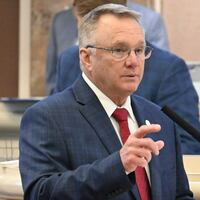
U.S. Senior District Judge John Mendez found that protesters who filed suit against the Sacramento Police Department in the wake of protests stemming from the death of George Floyd - and who claimed they faced excessive and illegal force - had no standing. That meant he had no jurisdiction in the case.
The judge also ruled that, while the protesters proved at least one of their arguments, they didn't show they'd face any future risk of harm. In fact, police since 2020 have made major changes to policies overseeing the use of less lethal force during protests. The protesters offered no evidence of unconstitutional conduct by police since that time, giving Mendez no reason to rule that the relief the plaintiffs sought was warranted.
"While plaintiffs' evidence demonstrated that SPD's policies, practices and lack of training was a moving force behind plaintiffs' injuries in May 2020, these past wrongs do not in themselves amount to a real and immediate threat of injury requiring court intervention at this time," the George W. Bush appointee wrote. "Case law clearly counsels caution with respect to federal intervention in state law enforcement matters."
In their suit, protesters argued that Sacramento police favored a culture supporting right-wing beliefs and opposing "antifa." They said officers treated their protests differently from Stop the Steal rallies that happened after Joe Biden won the 2020 presidential election.
The plaintiffs' request for monetary relief - $350,000 - settled days before the March non-jury bench trial began. That left only the question of permanent injunctive relief, or future oversight of police action during protests.
Protesters sought judicial oversight because of the level of force they say police used during the protests that erupted across the country after Floyd, a Black man, died while white Minneapolis police officer Derek Chauvin knelt on his neck.
Mendez found that Sacramento police used tear gas, rubber bullets and flash-bang grenades, among other weapons, at the protests. One protester, who posed no threat to officers, had a finger broken in two places. Others said police action deterred them from protesting or stopped them completely.
A police review board examined officer action during the protests. No officer was disciplined.
The judge ruled that some plaintiffs had force used against them multiple times, sometimes in rapid succession. None were committing significant crimes at the time.
"It is unreasonable to use less lethal force, including impact munitions and chemical agents, against individuals 'who were suspected of only minor criminal activity' or who 'engaged in passive resistance, at most, by failing to immediately disperse if and when such an order was given,'" Mendez ruled, citing the 2012 case Nelson v. city of Davis.
While the judge ruled their Fourth Amendment rights were violated, the protesters didn't get the oversight they wanted. They needed to show a "real and immediate threat" of future injury. Evidence presented at trial failed to meet that burden, Mendez wrote.
The George Floyd protests demanded a massive police response. The protesters didn't provide Mendez with any examples of less lethal munitions, like tear gas, used since those 2020 protests.
"Even if SPD were to employ less lethal munitions for crowd control purposes in response to significant protests, there have been substantial changes to SPD policy and training such that it is unlikely plaintiffs' constitutional rights would be violated again," the judge wrote.
Sean Richmond, senior deputy city attorney for Sacramento, praised the judge's ruling in a phone interview with Courthouse News.
Richmond said the city acknowledged some of its officers didn't comport themselves properly, pointing to the monetary settlement. However, seeking judicial oversight of future police action went too far.
"I think the court realized there was some overreach in the relief requested here," Richmond said, adding later: "The city appreciates the ruling."
Attorneys for the protesters couldn't be reached for comment as of publication time.
Source: Courthouse News Service